
"chemical changes"
2000 article(s) found

Coffee roasting physical changes of coffee roasting temperature and time during coffee roasting
For more information on coffee beans, please follow the coffee workshop (official Wechat account cafe_style). Roasting converts coffee beans from raw beans to ripe beans with rich aroma and flavor, but do you know what happened during the roasting process? When we bake beans, they are mainly divided into physical and chemical changes, volume and pores, and the cell wall strength of coffee beans ranks at the top of the plant kingdom.

Basic chemical reactions in the roasting process of coffee in both Chinese and English
Original: Basic Chemical Reactions Occurring in the Roasting Process by Carl Staub sourced from the SCAA Roast Color Classification System developed by Agtron-SCAA in 1995 Many thermal and chemical reactions occur during the roasting proces
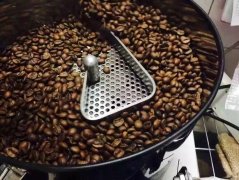
Explanation of the basic chemical reaction of coffee roasting in both Chinese and English
Original: Basic Chemical Reactions Occurring in the Roasting Process by Carl Staub sourced from the SCAA Roast Color Classification System developed by Agtron-SCAA in 1995 Many thermal and chemical reactions occur during the roasting proces

Taste of Coffee Fine Coffee Coffee
The color, aroma and taste of coffee are caused by some complex chemical changes that take place during the baking process. Therefore, raw beans must go through appropriate chemical procedures to achieve the most balanced state of its essential ingredients in order to be regarded as the best baked beans. The aroma of coffee varies with the heat, so the baking time should be shortened as much as possible, and the heat can be controlled at the level of coffee beans.
Principle and process of roasting coffee beans _ purpose and method of roasting coffee _ how to roast coffee beans
For more information on coffee beans, please follow the coffee workshop (official Wechat account cafe_style) roasting (Roasting): this heat treatment causes major chemical and physical changes in the structure and composition of raw coffee, causing the beans to darken and emit the characteristic aroma of roasted coffee. 1. The purpose of coffee roasting the main purposes of coffee roasting are as follows: A.
About the roasting of coffee
Roasting: this heat treatment causes significant chemical and physical changes in the structure and composition of raw coffee, causing the beans to darken and emit the characteristic aroma of roasted coffee.

Roasting principle of coffee beans
The small, high-altitude raw Arabica coffee beans are like a warehouse full of chemicals. At present, scientists have identified more than 2, 000 known ingredients, of which 70 to 850 are aromatic ingredients, which can be called the most fragrant in the human diet. There are only 150 kinds of vanilla used for seasoning in the catering industry, and the mellow composition of wine is far from it.

The taste of roasted coffee beans.
Coffee's color, aroma, and taste are the result of complex chemical changes that occur through the roasting process. Therefore, raw beans must undergo appropriate chemical procedures to achieve the most balanced state of its essential ingredients in order to be considered the best baked beans. Coffee aroma changes with heat, so roast time should be as short as possible, and heat control can make coffee beans
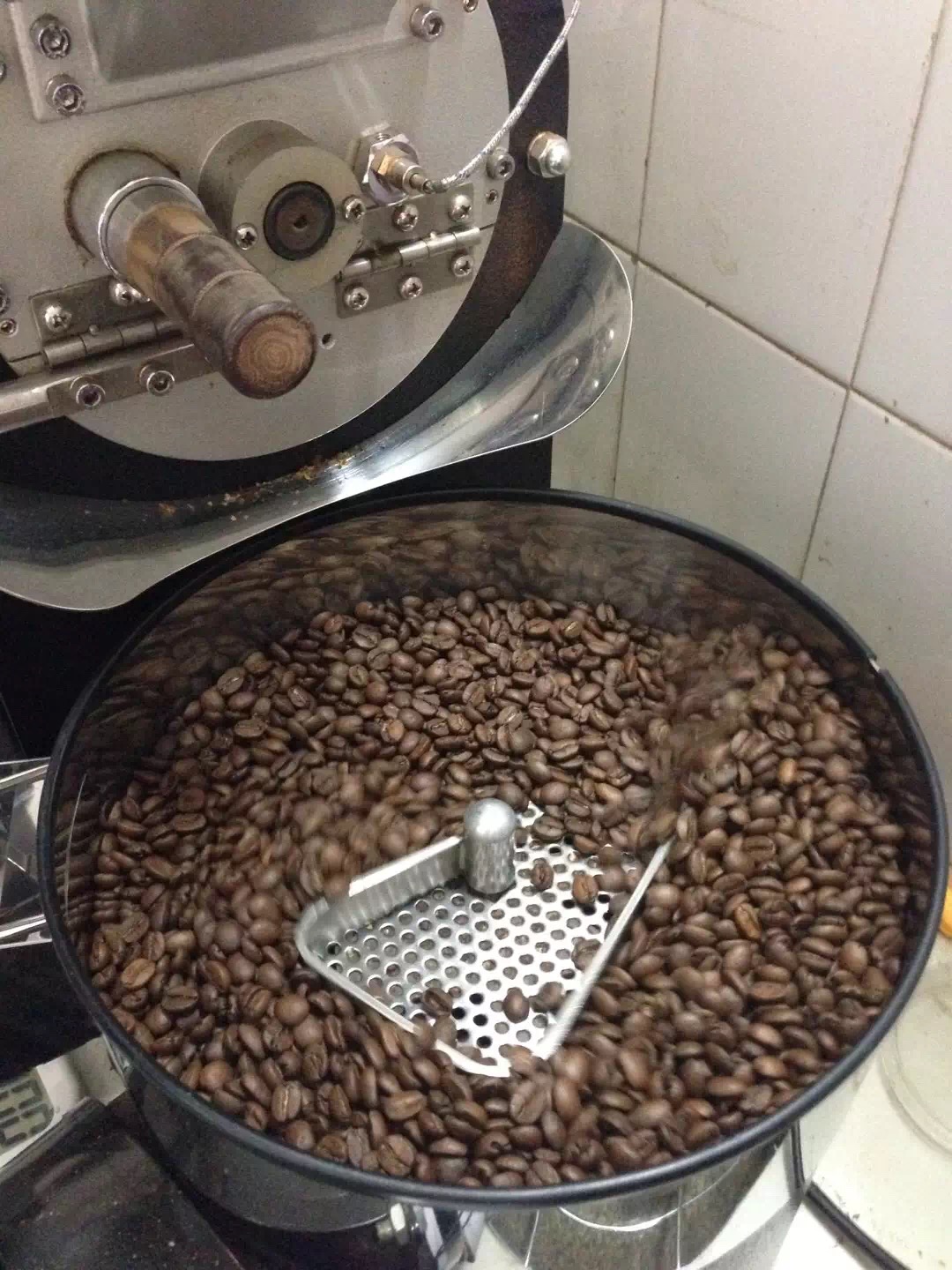
The small details that should be paid attention to in roasting coffee beans determine the success or failure of the roasting effect.
Baking this heat treatment causes significant chemical and physical changes in the structure and composition of raw coffee, causing the beans to darken and emit the unique aroma of roasted coffee. 1. The purpose of coffee roasting the main purposes of coffee roasting are: 1, aroma; 2, increase the complexity of coffee; 3, to obtain color; 4, to form the unique flavor of coffee. 2. Coffee is roasted according to the way it is roasted.
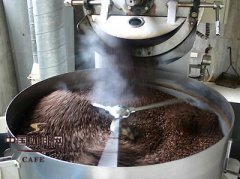
The basis of coffee: coffee roasting
Roasting: this heat treatment causes significant chemical and physical changes in the structure and composition of raw coffee, causing the beans to darken and emit the characteristic aroma of roasted coffee.

[coffee roasting] Fire throttle control of roaster (4) | Coffee workshop
Communication of professional baristas Please follow the coffee workshop (official Wechat account cafe_style) when dehydration goes through to the change of raw beans to yellow, indicating that a series of chemical reactions such as Maillard reaction, which are crucial to the production and transformation of coffee flavor substances, begin to take place actively. However, at this time, it is not said that the dehydration of raw beans stops, but the baking process begins to change by mainly removing the moisture of raw beans.
The basic chemical reaction of coffee roasting process
Many thermal and chemical reactions take place during baking: decarbonation, dehydration of quinic acid, subdivision, isomerization, polymerization, and complex sugar reactions (caramelization). The main components of the thermal reaction are monosaccharides and sucrose, chlorogenic acid, free amino acids, and fenugreek amide. Both aravinose and calactose in the polysaccharides are transferred, and the basic vulcanization contains hydroxylated amino acid.
The basic chemical reaction that takes place during coffee roasting.
Many thermal and chemical reactions take place during baking: decarbonation, dehydration of quinic acid, subdivision, isomerization, polymerization, and complex sugar reactions (caramelization). The main components of the thermal reaction are monosaccharides and sucrose, chlorogenic acid, free amino acids, and fenugreek amide. Both aravinose and calactose in the polysaccharides are transferred, and the basic vulcanization process includes hydroxylamine.

The basic chemical reactions that take place during coffee roasting
Many thermal and chemical reactions take place during baking: decarbonation, dehydration of quinic acid, subdivision, isomerization, polymerization, and complex sugar reactions (caramelization). The main components of the thermal reaction are monosaccharides and sucrose, chlorogenic acid, free amino acids, and fenugreek amide. Both aravinose and calactose in the polysaccharides are transferred, and the basic vulcanization process includes hydroxylamine.

Basic chemical reactions of coffee beans during coffee roasting
Many thermal and chemical reactions take place during baking: decarbonation, dehydration of quinic acid, subdivision, isomerization, polymerization, and complex sugar reactions (caramelization). The main components of the thermal reaction are monosaccharides and sucrose, chlorogenic acid, free amino acids, and fenugreek amide. Both aravinose and calactose in the polysaccharides are transferred, and the basic vulcanization process includes hydroxylamine.
Coffee affects DNA in muscle, study suggests
You might think that whatever you do, your genetic DNA will not be affected, but in a sense that's wrong. In the March issue of Cell Metabolism, researchers report that when the body is healthy, men and women who do not exercise much get their DNA released after a few minutes of exercise.

The basic chemical reactions that take place during coffee roasting
Many thermal and chemical reactions take place during baking: decarbonation, dehydration of quinic acid, subdivision, isomerization, polymerization, and complex sugar reactions (caramelization). The main components of the thermal reaction are monosaccharides and sucrose, chlorogenic acid, free amino acids, and fenugreek amide. Both aravinose and calactose in the polysaccharides are transferred, and the basic vulcanization process includes hydroxylamine.

Five flavors of Fine Coffee
The color, aroma and taste of sweet coffee are caused by some complex chemical changes that take place during the roasting process. Therefore, raw beans must go through appropriate chemical procedures to achieve the most balanced state of its essential ingredients in order to be regarded as the best baked beans. The aroma of coffee will change with the heat, so the baking time should be shortened as much as possible, and the coffee is hot.

The basic chemical reactions that take place during coffee roasting.
Many thermal and chemical reactions take place during baking: decarbonation, dehydration of quinic acid, subdivision, isomerization, polymerization, and complex sugar reactions (caramelization). The main components of the thermal reaction are monosaccharides and sucrose, chlorogenic acid, free amino acids, and fenugreek amide. Both aravinose and calactose in the polysaccharides are transferred, and the basic vulcanization process includes hydroxylamine.
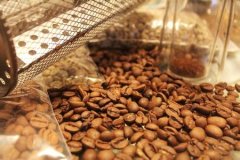
The basic chemical reaction that takes place during coffee roasting.
Basic chemical reactions that occur during coffee roasting author: Carl Staub originates from the SCAA baking color classification system, developed by Agtron SCAA 1995 original text from: http://www.sweetmarias.com/roast.carlstaub.html translation: Grant, http://www.baristacn.com/forum/thread-1583-1-1.html in the roasting process